Lifespan of
a Bituminous Waterproofing Membrane and Ways to Increase It
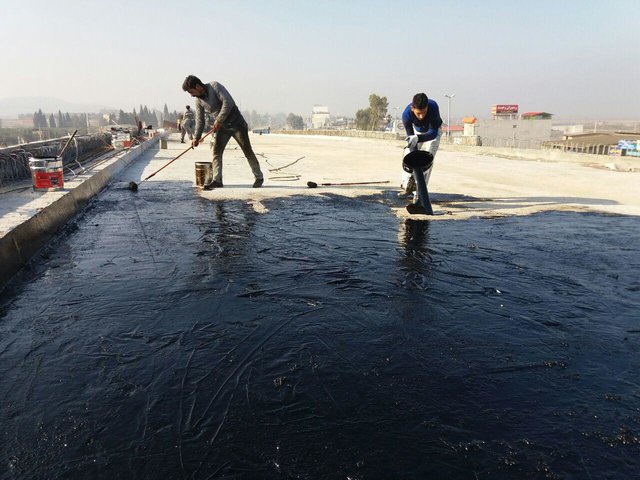
The typical lifespan of Bituminous Waterproofing Membranes is around 10 to 15 years. However, the ultimate lifespan of an isogam depends on various factors such as material quality, usage patterns, installation methods, and more. In general, isogams are susceptible to UV radiation, which can diminish their lifespan and lower their durability. Poor-quality isogams often contain lower-grade bitumens that exhibit reduced resistance to UV radiation. Therefore, it is crucial to pay attention during purchase and opt for the best-quality isogam with a longer lifespan.
After installing Bituminous Waterproofing Membrane, observe the following points:
- Ensure Unblocked Water Paths: Be mindful not to block the water paths behind the roof, allowing water to drain effectively. Blocking these paths can lead to premature damage to the isogam.
- Use Soft Footwear: When walking on the isogam, use soft footwear or walk barefoot to prevent damage.
- Prevent Sharp Objects: Sharp or metallic objects, as well as construction materials like crushed stones, can harm Bituminous Waterproofing Membranes. Take care to avoid such objects that may puncture the isogam.
- Avoid Solvent Spillage: Spilling solvents like oil, diesel, and gasoline on the isogam can lead to damage. Refrain from pouring such substances on the isogam.
- Apply Cement Layer Before Further Work: If planning to carry out additional work on the isogam, such as tiling or ceramic installation, apply a thin layer of cement beforehand to prevent damage during the process.
- Repair Leaking Coolers: Timely repair of leaking coolers is essential, as continuous water leakage into the
isogam can reduce its lifespan.
By adhering to these guidelines, you can extend the useful life of your isogam and ensure optimal performance.