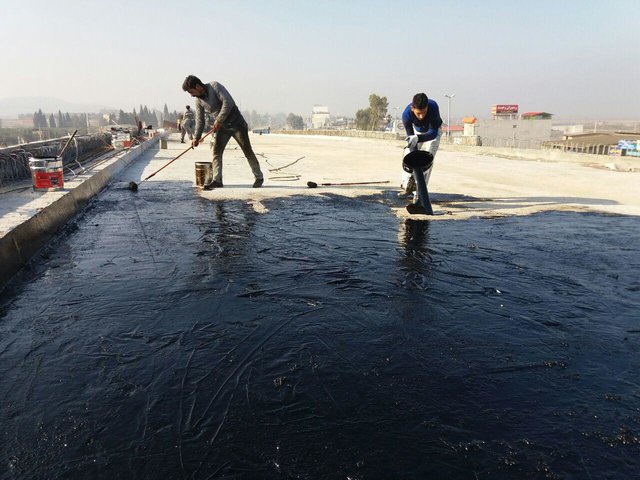
Nano liquid membranes

Nano liquid membranes;
A new development in building waterproofing membranes
Nano-liquid membranes for building waterproofing typically incorporate nanotechnology to enhance the performance of traditional liquid waterproofing materials. The use of nanomaterials, which are particles on the nanoscale (typically ranging from 1 to 100 nanometers), can impart unique properties to the membrane, such as increased strength, durability, and resistance to water penetration.
Here are some key features and considerations for nano liquid membranes in building waterproofing:
1. Nano-Additives:
Nano-liquid membranes may contain nanoparticles, such as nanoclays, nanosilica, or other nanomaterials, to improve the overall properties of the membrane.
2. Enhanced Water Resistance:
Nanotechnology can enhance the water resistance of the membrane, providing an effective barrier against water infiltration.
3. Flexibility:
Nano-liquid membranes often maintain flexibility, allowing for ease of application and adaptability to building movements.
4. Reduced Permeability:
Nanoparticles can reduce the permeability of the membrane, making it more resistant to the passage of water molecules.
5. Improved Adhesion:
Nanotechnology may enhance the adhesion of the membrane to the substrate, ensuring a strong and lasting bond.
6. Durability:
The use of nanomaterials can contribute to the durability and longevity of the waterproofing membrane.
7. Resistance to UV Radiation:
Some nano-liquid membranes may exhibit improved resistance to UV radiation, preventing degradation when exposed to sunlight.
8. Application Methods:
Nano-liquid membranes are generally applied using standard liquid membrane application methods, such as brushing, rolling, or spraying.
9. Compatibility:
Ensure compatibility with the specific substrate and construction materials used in the building.
10. Manufacturer Guidelines:
Follow the manufacturer’s guidelines, technical data sheets, and application instructions for the specific nano-liquid membrane product.
11. Testing and Certification:
Consider third-party testing or certification to ensure the product meets industry standards for waterproofing.
It’s important to note that the effectiveness of nano-liquid membranes can vary depending on the specific formulation and application conditions. When considering such products, consulting with the manufacturer and, if necessary, seeking input from construction professionals or experts in waterproofing can provide valuable insights. Additionally, adherence to local building codes and regulations is crucial for a successful and compliant waterproofing application.